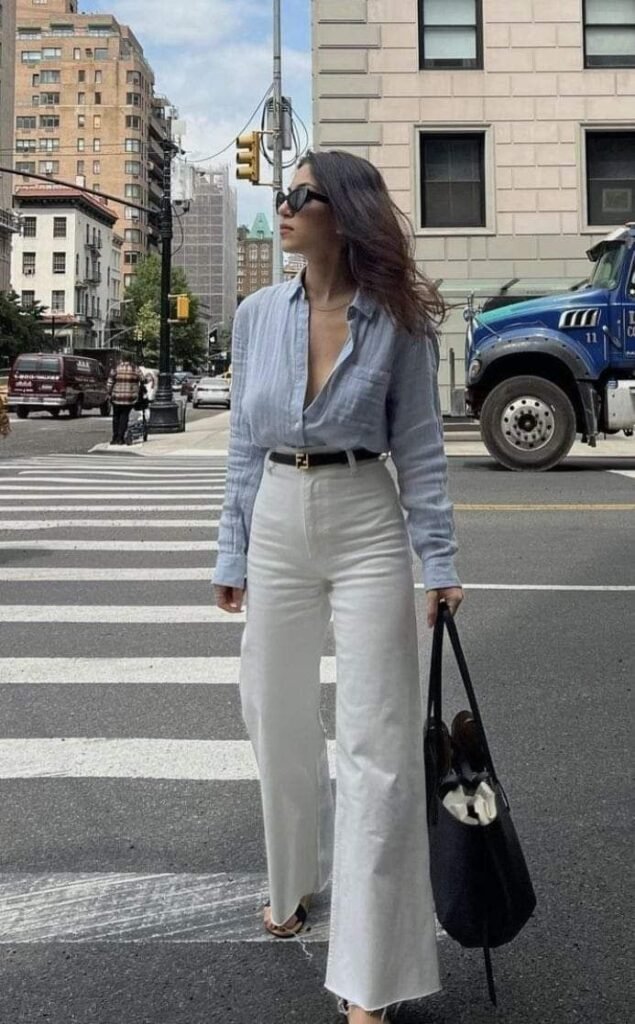

Introduction: The Silent Language of ClothingYour wardrobe is more than fabric—it’s a powerful tool of self-expression. What you wear can reveal your personality, mood, confidence, social status, cultural identity, and even your values. Let’s explore the fascinating intersection of fashion and psychology to understand what your clothes truly say about you.
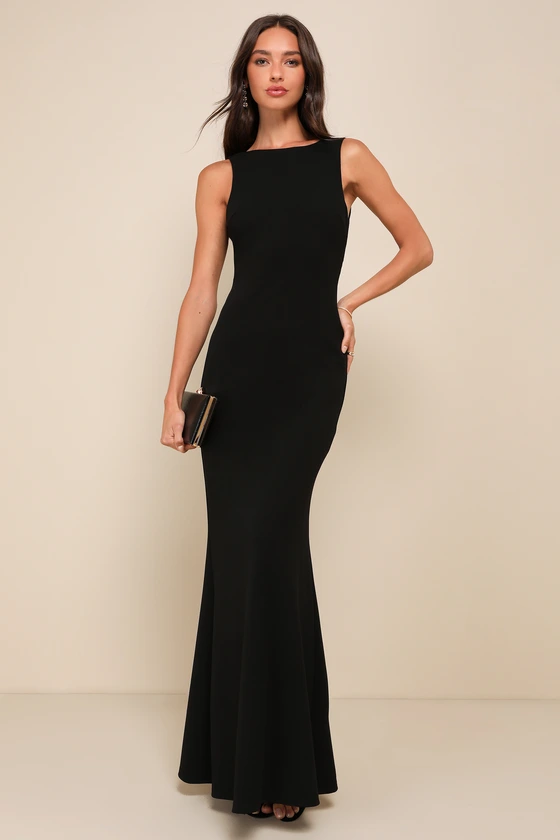
The Power of Fashion as Nonverbal Communication
What you wear often reveals deeper facets of your self-expression than you might realize. Experts in fashion psychology highlight that clothing:
- Signals personality traits: Bold colors and daring styles can show confidence and creativity, while muted tones may reflect a calm or introverted nature.
- Influences mood and emotional state: Wearing an outfit that you love can boost confidence and positivity, while uncomfortable or ill-fitting clothes can undermine your sense of wellbeing.
- Projects social identity and status: Designer labels, cultural attire, or work uniforms indicate status, belonging, and values, shaping how others perceive you s
Power Dressing: Dressing for Success
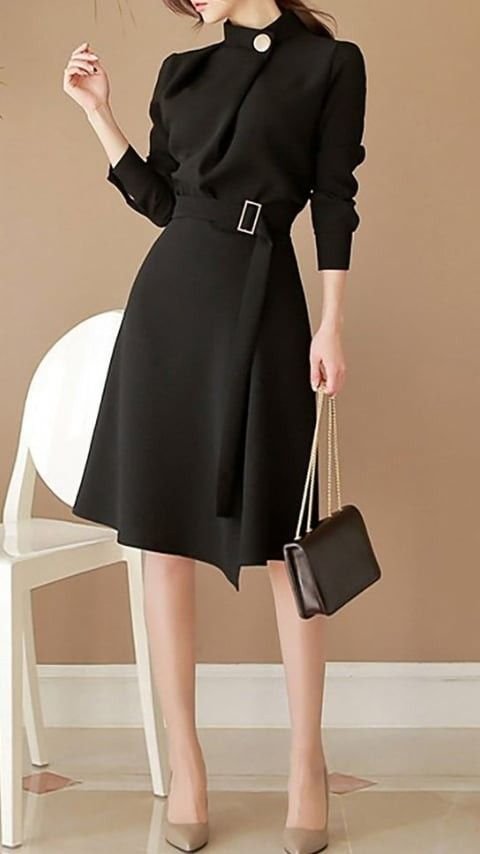
Power dressing, a concept popularized in the 1980s, remains a key element in Western women’s fashion for asserting professionalism and leadership. Women use specific clothing pieces—like structured black suits or bold red outfits—to signal authority, energy, and confidence. This strategy also taps into color psychology, where:
- Black communicates sophistication and authority,
- Red signals passion and confidence,
- Blue conveys trust and reliability.
These choices influence not only external impressions but also internally elevate cognitive performance and mood through a psychological effect called enclothed cognition.
Personality, Body Image, and Clothing Practices
Research highlights a strong link between women’s personalities and their clothing choices in Western fashion. Women who identify with an urban style—characterized by creative, eclectic, and playful combinations—tend to be more extroverted, open to new experiences, and confident in their bodies. This style serves as a tool of self-expression rather than concealment.
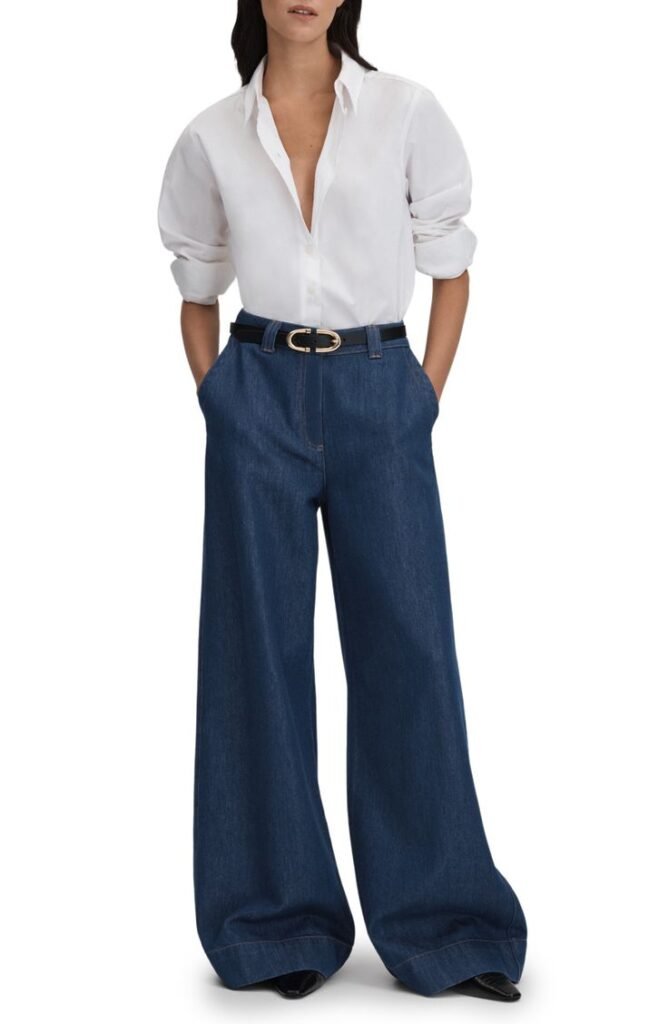
In contrast, a casual style with jeans and t-shirts often corresponds with a desire to camouflage or downplay the body and a more introverted personality. Women who feel more dissatisfied with their bodies might prefer darker colors and loose fits to minimize attention
The Role of Openness to Experience
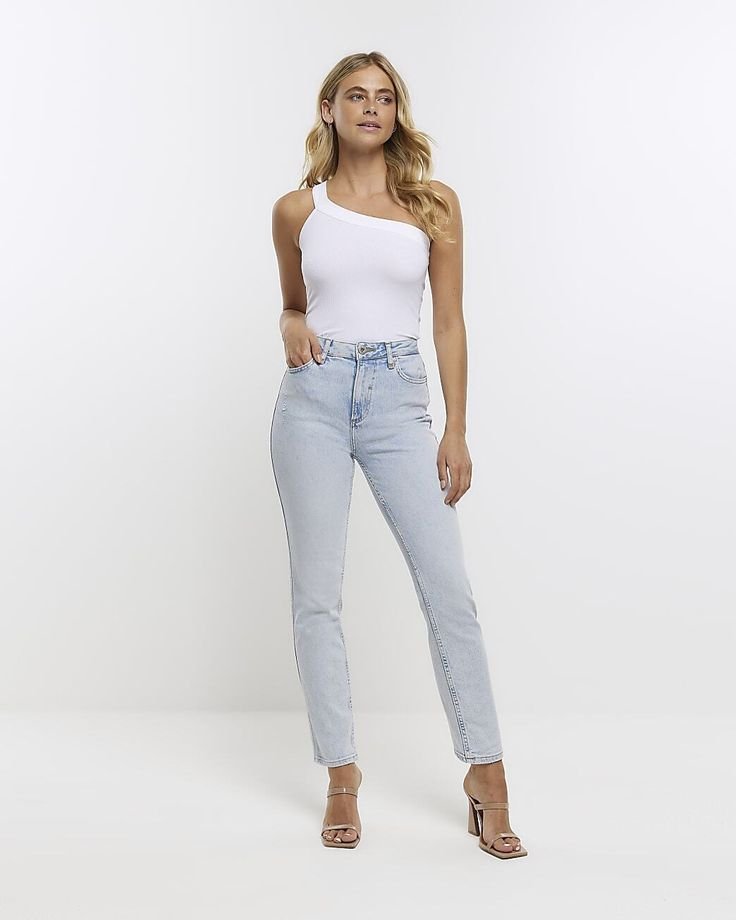
Openness to experience—an essential personality trait—influences clothing choices substantially. Women scoring high in this trait are more willing to experiment with fashion, use clothing playfully, and resist cultural pressures to conform to strict beauty standards. This flexibility fosters a healthier and more positive body image, enabling women to dress for their own validation and pleasure rather than social approval.
Social Identity and Cultural Influence
Adopting Western fashion can also be a cultural or social statement, serving as an expression of identity, status, or values. The adoption of Western style symbolizes modernity, empowerment, or affiliation with global trends, impacting how women position themselves within their communities.
Western fashion for women is not just about trends or aesthetics; it reflects deeper psychological processes. Clothing choices are empowering tools for building confidence, shaping how others perceive us, managing our body image, and expressing our unique identities. Embracing styles that resonate with one’s personality and body positivity can foster mental well-being and a fulfilling relationship with fashion.
If you want, I can also provide tips on how to choose Western outfits tailored to different occasions or personality types.